
What $4 Gasoline Means for GM, Ford, and Tesla
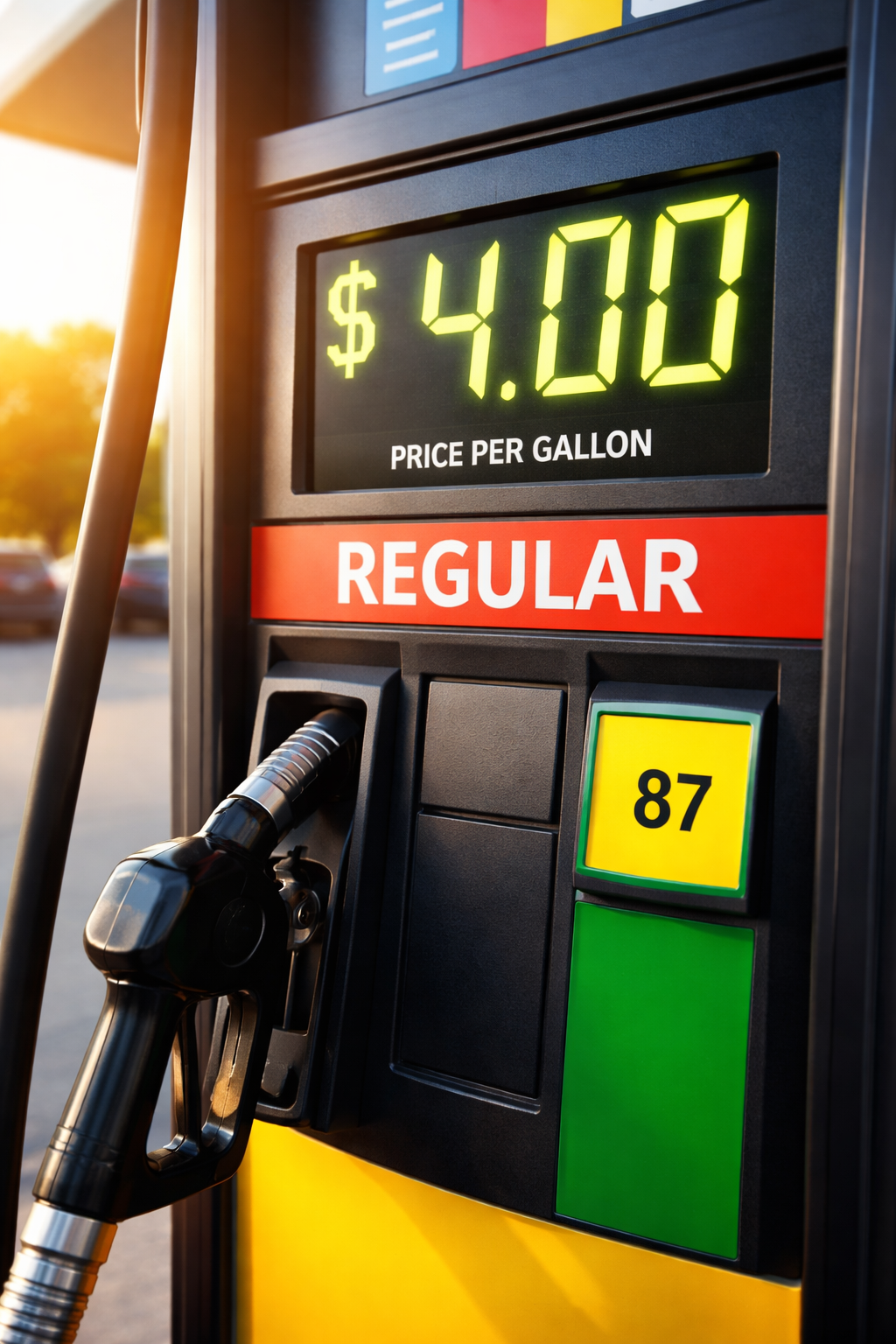
Gasoline prices are climbing again, and that changes the conversation for automakers in a hurry. For traders and investors watching Detroit and the EV space, $4 gasoline GM Ford Tesla is not just a consumer story. It is a market story, a sentiment story, and potentially a trading story.
Why This Matters Now
For the past several years, the U.S. auto industry has leaned hard into larger, higher-margin vehicles. Full-size pickups, SUVs, and premium trims became the profit engine. At the same time, lower-cost compact cars faded from the market, and the average new vehicle price pushed above $50,000.
That strategy worked well in an environment where fuel costs were manageable and consumers were still willing to absorb higher monthly payments. But rising gasoline prices can start to change buyer behavior. When fuel gets expensive, vehicle efficiency suddenly matters more, and the mix that helped support profits can become a source of pressure.
That is the real issue behind $4 gasoline GM Ford Tesla: the auto market has been built around expensive, fuel-hungry vehicles just as energy prices are becoming a bigger risk factor again.
The Industry Has Been Rewarded for Selling Fewer, Pricier Vehicles
Automakers have effectively traded volume for price. Instead of chasing every buyer, they have concentrated on the customers who can still afford a new vehicle loaded with features, technology, and a higher sticker price.
That has helped margins, but it also leaves the industry more exposed if affordability comes under pressure. Higher gasoline prices do not hit in isolation. They land on top of:
- Higher vehicle prices
- Higher insurance costs
- Higher maintenance costs
- A consumer already stretched by financing costs
That combination is where the risk begins to build.
What Rising Fuel Costs Could Mean for GM and Ford
General Motors and Ford still depend heavily on trucks and SUVs for profits. Those vehicles remain the core cash generators, especially in the U.S. market. The problem is obvious: the same vehicles that generate the most profit also become harder to justify when drivers start thinking in terms of cost per mile again.
If gasoline stays elevated long enough, traders should expect the market to start asking tougher questions:
- Will consumers delay purchases?
- Will they shift toward hybrids and smaller vehicles?
- Will incentives need to rise to keep volume moving?
- Will margins compress if the mix changes?
That does not mean GM and Ford immediately break down as businesses. It means their current sweet spot becomes more vulnerable if the fuel backdrop changes for more than a few weeks.
For a broader TraderInsight look at how macro headlines can alter market behavior, see Geopolitical Risk For Traders.
What About Tesla?
Tesla sits in a different position. It should, in theory, benefit from a world in which gasoline becomes more expensive. But markets do not always price theory. They price narrative, competition, and execution.
Tesla is no longer trading purely as a car company. It is trading on expectations around future businesses, autonomous driving, and its longer-term leadership story. That means higher gasoline prices alone do not automatically create a clean bullish case for TSLA.
In fact, Tesla’s setup is more complicated. If consumers start paying closer attention to fuel costs, EVs may receive renewed interest. But Tesla is also dealing with increasing competitive pressure and a changing market narrative.
For more on that side of the story, see Tesla Sales Decline Trading Impact.
The Timing Question Traders Should Watch
One of the most important questions is not whether higher gasoline prices matter. It is when they start to matter enough to move behavior in a measurable way.
Markets often front-run that answer. Auto stocks can weaken long before vehicle sales data clearly rolls over. That is especially true in a sector where investors tend to sell first and analyze later whenever macro conditions shift.
So even if consumers do not immediately abandon large vehicles, the stocks may still react as though demand risk is rising. That is why $4 gasoline GM Ford Tesla belongs on the radar now rather than later.
The Bigger Affordability Problem
There is also a deeper structural issue. The new-vehicle market has increasingly skewed toward older and wealthier buyers, while many younger and lower-income consumers have already been pushed to the sidelines.
If fuel prices rise meaningfully and stay there, the affordability problem becomes even more pronounced. The market is not just asking whether people want a new vehicle. It is asking whether they can justify the full ownership cost.
That matters because pricing power looks strong until buyers start stepping back. Once that happens, sentiment can shift quickly.
What Traders Should Focus On
For active traders, this is less about making a long-term auto forecast and more about identifying the pressure points.
- Watch energy markets first. If oil and gasoline remain strong, auto stocks may continue to reprice.
- Watch vehicle mix sentiment. Trucks and SUVs can stay dominant, but rising fuel costs make that dominance more fragile.
- Watch Tesla separately. TSLA is driven by more than car sales, so gasoline alone is not the full story.
- Watch for narrative rotation. A shift toward hybrids, efficiency, and affordability can change leadership inside the sector.
And as always, the edge is not in reacting emotionally to the headline. It is in having a structure before the move begins.
That is where process matters. If you want a companion read on preparation and execution, see Trading Discipline And Execution.
The Psychological Trap
Macro headlines like rising gasoline prices can tempt traders into broad, simplistic conclusions. “Short all the automakers” is the kind of idea that sounds clean but often becomes messy in real time. Markets reprice in waves, not straight lines.
That means emotional chasing is dangerous here. Rotation, snapbacks, and failed breakdowns are all possible when a macro narrative begins to work its way through a sector.
If that resonates, this is a good time to revisit How to Stop FOMO in Trading.
Final Thought
$4 gasoline GM Ford Tesla is more than a fuel-cost headline. It is a potential shift in the assumptions that have supported the auto trade: big vehicles, high prices, resilient buyers, and stable consumer behavior.
If gasoline keeps climbing, the market may start to favor efficiency over size, flexibility over margin, and execution over story. That creates both risk and opportunity.
For traders, the key is not guessing the final outcome. The key is recognizing when a macro change begins to alter the structure beneath the stocks.
For more market commentary and related setups, visit the TraderInsight Article Archives.