
The Impact of Venezuela Sanctions on Traders: What Markets May React to This Week
Geopolitical headlines don’t need to trigger a crisis to matter.
Often, the real impact of Venezuela sanctions on traders comes from how uncertainty
alters expectations, volatility, and short-term market behavior.
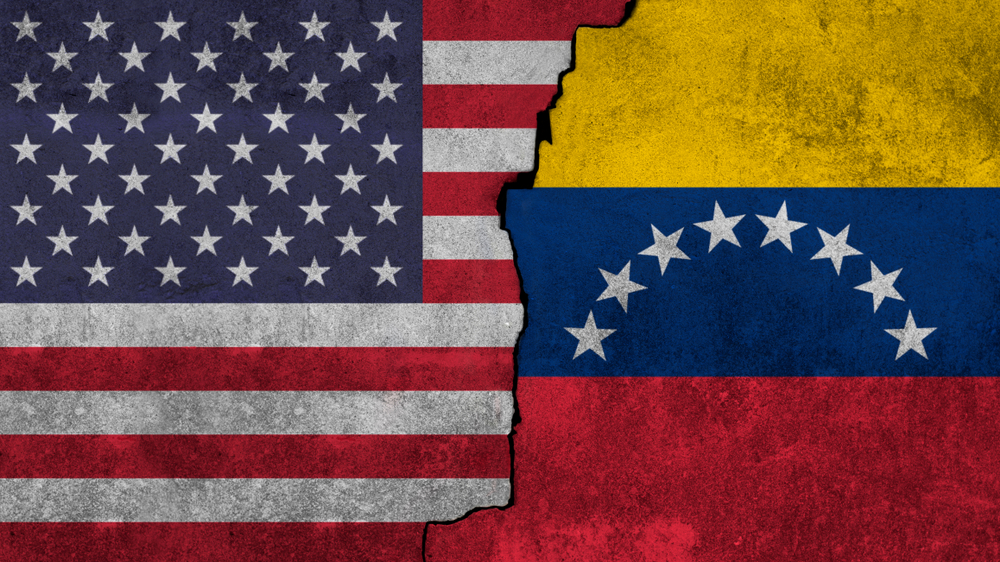
Why Venezuela Is Back on Traders’ Radar
Recent signals surrounding renewed attention by the Trump administration toward Venezuela
have brought the country back into the market narrative. For traders, this isn’t about predicting
foreign policy outcomes—it’s about understanding how geopolitical risk enters price.
Venezuela remains one of the world’s largest holders of proven oil reserves, but years of sanctions,
infrastructure decay, and political instability have severely limited production.
Any shift in enforcement, licensing, or rhetoric can influence expectations around global energy supply.
Markets trade expectations first. Outcomes come later.
That’s why the impact of Venezuela sanctions on traders often shows up as volatility
before it ever shows up as a lasting trend.
Energy Markets: The Primary Transmission Channel
The most immediate area where traders may feel the impact of Venezuela sanctions is crude oil.
Even small changes in perceived supply risk can move futures markets, especially when crude is already
sitting near technically important levels.
Traders should be watching for:
- Expanded overnight ranges in crude oil futures
- Increased sensitivity to headlines over data
- Early-session momentum that fades later in the day
This type of environment often creates opportunity for disciplined intraday traders—but only
if they remain focused on structure rather than stories.
For a deeper look at how volatility affects decision-making, see:
How Elite Traders Handle Volatility.
Energy Stocks and Sector Rotation
Beyond crude itself, the impact of Venezuela sanctions on traders can also appear in
energy equities and sector ETFs. Geopolitical uncertainty often triggers short-term rotation,
particularly during the first hour of the trading session.
These moves tend to be:
- Fast
- Headline-driven
- Prone to reversal if follow-through doesn’t appear
This makes patience and confirmation critical.
Traders who chase early strength without structure often give back gains quickly.
If this sounds familiar, revisit:
Patience: The Skill That Defines Trading Success.
Index Impact: Volatility Without Direction
While Venezuela-related developments are unlikely to derail major indices on their own,
they can contribute to short-term volatility—especially when markets are already sensitive to
macro headlines.
For traders, this often shows up as:
- Increased intraday noise
- Conflicting sector moves
- False breakouts that fail to follow through
This is where traders often get emotionally pulled off their plan.
If you’ve ever felt that subtle internal shift toward urgency or overconfidence,
this article is worth revisiting:
The Subtle Shift That Causes Big Losses.
The Psychological Risk of Trading Headlines
One of the biggest dangers of geopolitical news is psychological, not financial.
Headlines can create a sense that traders should act—before price confirms anything.
Common mistakes during geopolitical uncertainty include:
- Chasing moves sparked by headlines
- Overestimating the importance of breaking news
- Abandoning risk parameters due to urgency
Professional traders treat geopolitics as context, not commands.
If price doesn’t confirm the story, the story doesn’t matter.
For practical tools to stay grounded during volatile periods, see:
Mindfulness in Trading.
What Traders Should Watch This Week
Instead of predicting outcomes, traders should focus on observable behavior:
- Are energy names showing relative strength early in the session?
- Is crude reacting more to headlines than to scheduled data?
- Is volatility expanding without clear directional follow-through?
These signals tell you whether the impact of Venezuela sanctions on traders
is being actively priced—or merely discussed.
Final Thoughts
The real market risk around Venezuela isn’t sudden collapse—it’s expectation drift.
When uncertainty re-enters the narrative, volatility often follows, even if direction does not.
For traders this week, discipline matters more than opinion.
Let price confirm the story, manage risk first, and remember:
geopolitics creates opportunity only when traders remain psychologically neutral.