
The Hidden Perils of Pre- and Post-Holiday Trading
Why the Open Is the Only Liquidity That Matters
The screens are on. The market is open. Prices are moving.
So it feels like opportunity.
But in reality, pre- and post-holiday sessions are some of the most treacherous environments traders face—especially after the opening hour. Liquidity thins, ranges compress, and what looks like “another trade setting up” is often nothing more than noise dressed up as structure.
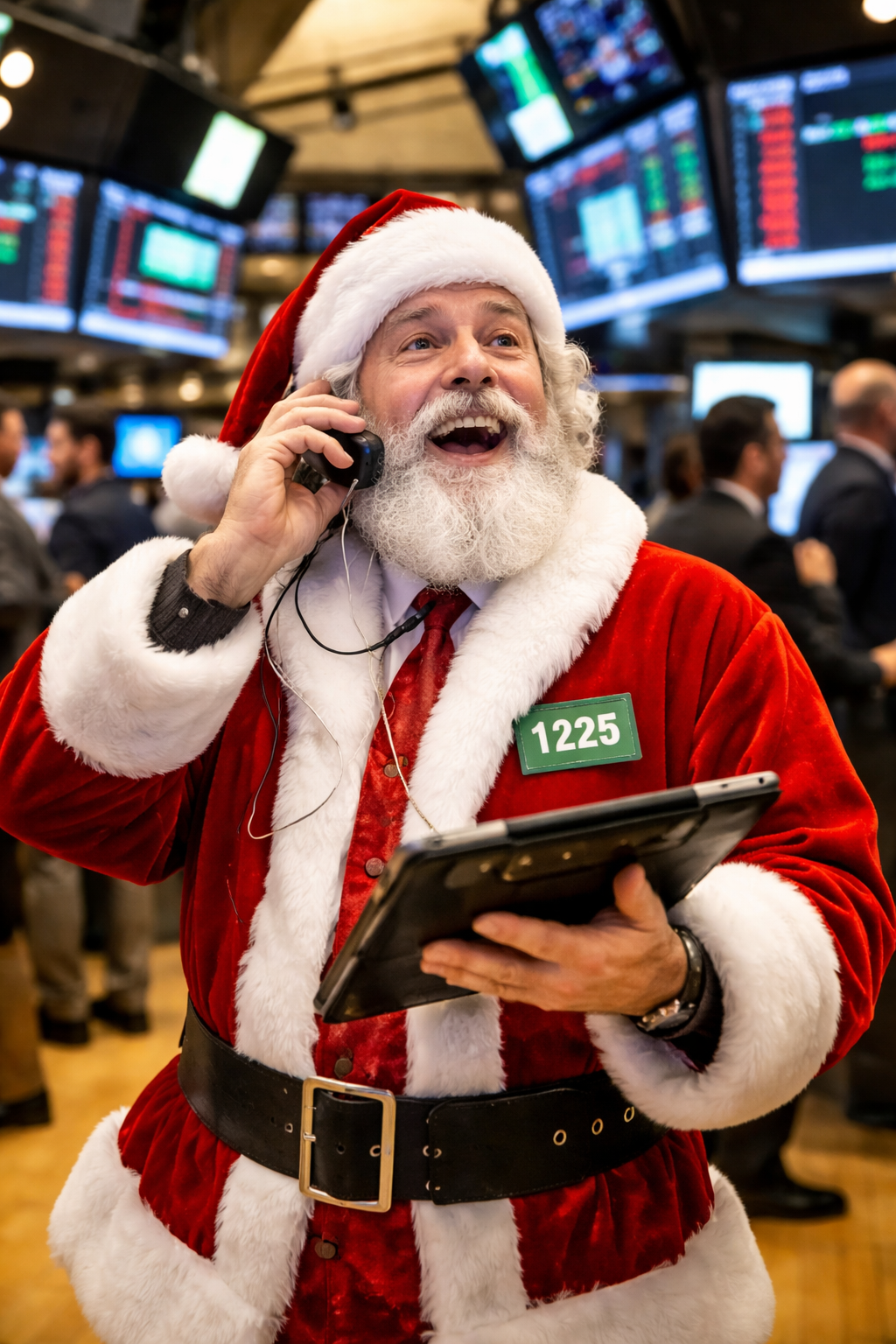
Professional traders know this. Retail traders relearn it the hard way—over and over again.
Liquidity Is a Time-of-Day Phenomenon
Liquidity is not evenly distributed throughout the trading day.
It clusters.
And the largest, most reliable cluster of liquidity occurs during the opening window, when:
- Overnight inventory is resolved
- Institutions rebalance exposure
- Options dealers hedge deltas
- News and economic releases are priced in
- Volatility expands before it contracts
This is why the first 30–60 minutes of the session produce cleaner movement, wider ranges, and better follow-through.
During holiday weeks, that effect is amplified.
Institutions are lightly staffed. Many desks are flat or defensive. Participation drops off sharply after the opening rotation. What remains is thin liquidity and algorithmic drift—not opportunity.
What Happens After the Open During Holiday Weeks
Once the opening liquidity is consumed, several things begin to happen:
- Ranges tighten
- False breakouts increase
- Follow-through disappears
- Stops get hit on both sides
- Mean reversion dominates
Price may still move—but it does not resolve.
This is where traders get trapped.
They mistake motion for opportunity.
The Trap of “It Looks Like It Should Go”
One of the most expensive phrases in trading is:
“It looks like it should…”
During low-liquidity, post-holiday sessions:
- Levels don’t hold the way they normally do
- Breakouts lack participation
- VWAP loses authority
- Trend structure becomes cosmetic
Price drifts just enough to trigger entries—but not enough to pay them.
The market isn’t wrong. It’s simply not offering anything meaningful.
The Holiday Psychology That Pulls Traders In
Holiday trading isn’t just a market problem—it’s a psychological one.
Normal routines are disrupted:
- Work schedules loosen
- Family time expands
- Days feel slower
- Attention becomes fragmented
That creates a subtle but powerful internal pressure:
“I have time… maybe I should trade more.”
This is where discipline breaks.
Instead of executing a plan and stopping, traders:
- Linger after the open
- Take marginal setups
- Chase compressed ranges
- Trade boredom instead of structure
The market didn’t change.
The trader did.
Why Midday Trades Feel Tempting—but Aren’t
During quiet holiday sessions, midday price action often looks technical:
- Tight flags
- Small consolidations
- Clean candles
- Apparent support and resistance
But without liquidity, these patterns lack fuel.
What feels like precision is often fragility.
One small order can undo the entire structure.
Stops become liquidity for other traders—not protection.
Professionals Know When Not to Trade
Experienced traders don’t measure success by how many trades they take.
They measure it by how many bad environments they avoid.
Holiday weeks are classic “do less” environments:
- Trade the opening rotation
- Take what the market offers early
- Reduce size
- Shorten duration
- Stop when liquidity fades
This isn’t conservative.
It’s professional.
The Discipline Edge: Trade Less When Life Slows Down
When life slows down around the holidays, traders often feel they should trade more.
The opposite is true.
This is when discipline matters most.
Because the real edge isn’t finding trades.
It’s knowing when opportunity no longer exists—even though price is still moving.
Final Thought
The market is open every day.
Opportunity is not.
Holiday weeks expose traders who confuse activity with edge.
The professionals take the open. They respect liquidity. And they walk away before the market turns into noise.
Sometimes the best trade during the holidays is knowing when to stop trading at all.