
Forgotten Profits Trade Setup Archive
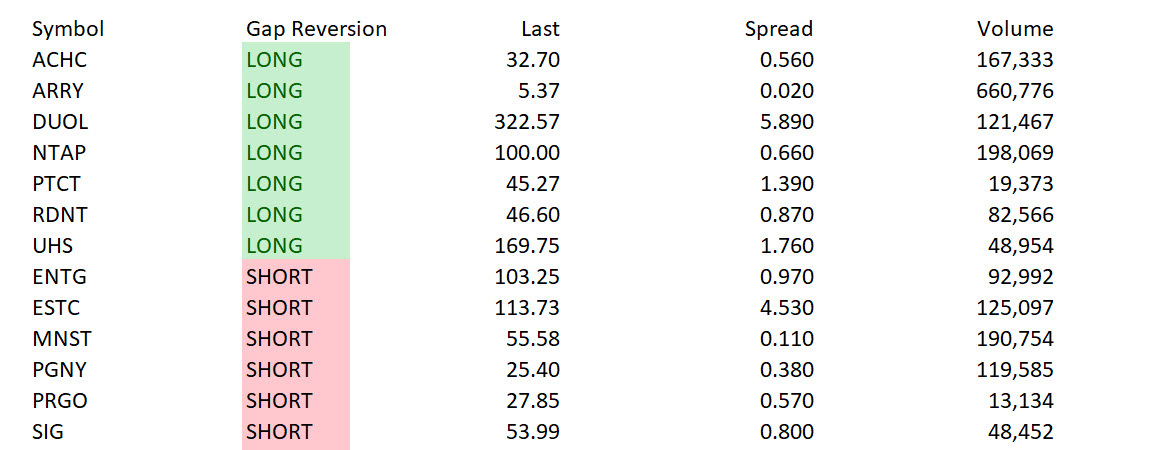
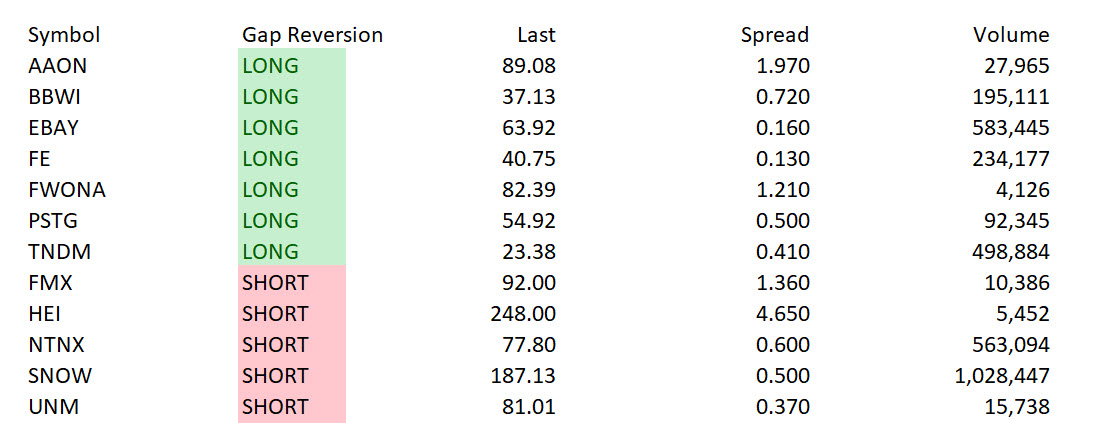
Below you'll find Ian's setups stacked up and ordered chronologically. As this service once resided at another home, the alerts only go back to mid July. For a full track record, see the portfolio.February 28, 2025
Bitcoin Falls to Three-Month Low: Market Selloff Deepens Amid Policy Uncertainty
Bitcoin Price Decline Deepens: Causes and Market Impact
Bitcoin has seen a significant downturn, with the Bitcoin price decline pushing the cryptocurrency to a three-month low. As of February 27, 2025, Bitcoin was trading at approximately $79,627—down 25% from its all-time high of $109,350 in January. This sharp fall has left traders and investors questioning the future of digital assets (Bloomberg).
Why Is Bitcoin Falling?
Several key factors are driving the Bitcoin price decline, ranging from economic policy uncertainty to security issues in the crypto space.
Macroeconomic Uncertainty and Tariff Policies
One of the primary reasons behind the Bitcoin price decline is market uncertainty stemming from recent tariff announcements. President Donald Trump’s plan to impose a 25% tariff on Mexican and Canadian goods and a 10% tariff on Chinese imports has led to a broader selloff in risk-sensitive assets, including Bitcoin (CNBC).
Security Concerns Shake Investor Confidence
Major security breaches in the cryptocurrency industry have also fueled the Bitcoin price decline. A $1.5 billion hack of the Bybit exchange, one of the largest crypto heists to date, has raised concerns about asset safety, causing many investors to exit the market (MarketWatch).
Shifting Market Sentiment and ETF Outflows
Initially, traders expected the Trump administration to introduce crypto-friendly policies, which helped Bitcoin reach its all-time high in January. However, the slow pace of regulatory clarity and broader economic concerns have resulted in a reversal. Additionally, Bitcoin ETFs have seen over $1.1 billion in outflows, reflecting the cautious stance of institutional investors.
Broader Market Impact
The Bitcoin price decline has sent ripples across the cryptocurrency market:
- Altcoins: Other cryptocurrencies, including Ethereum and Solana, have suffered even greater losses, with some dropping over 30% since mid-December (Bloomberg).
- Market Capitalization: The total cryptocurrency market cap has plunged by over $800 billion.
- Investor Behavior: Retail and institutional investors are reassessing their positions, leading to increased selling pressure.
What’s Next for Bitcoin?
While the short-term outlook remains uncertain, analysts suggest that Bitcoin’s long-term prospects depend on economic policy developments, security improvements in the crypto space, and renewed investor confidence. If Bitcoin fails to hold key support levels, further downside movement could follow.
For more in-depth market analysis, check out our related articles:
Economic Data Market Impact
How Friday’s Economic Data Could Impact the Stock Market and Key Sectors
The upcoming GDP report, unemployment claims, durable goods orders, and pending home sales will significantly impact market sentiment and trading strategies. Investors will be closely analyzing these reports to gauge the health of the U.S. economy and anticipate Federal Reserve policy shifts. This Economic Data Market Impact will be particularly pronounced in sectors like technology and biotechnology, which are sensitive to economic cycles and interest rate movements.
GDP Report: Growth vs. Slowdown
The Gross Domestic Product (GDP) report is a key indicator of economic health. A higher-than-expected GDP growth rate typically signals strong economic expansion, which can fuel stock market gains. However, if the data indicates a slowdown, investors may worry about a recession, leading to market volatility.
How GDP Affects the Tech and Biotech Sectors
- Technology Sector: Strong GDP growth suggests increased corporate and consumer spending, benefiting major tech firms like Apple (AAPL) and Microsoft (MSFT). However, a slowdown could dampen demand for tech products and services.
- Biotechnology Sector: A slowing economy may lead to lower healthcare spending and reduced funding for biotech research. Conversely, robust growth can drive investment into innovation and drug development.
Unemployment Claims: Labor Market Signals
Weekly unemployment claims provide insights into job market strength. A rising trend may indicate economic weakness, while declining claims signal a strong labor market.
Technology and Biotech Impacts
- Tech Companies: The labor market directly affects hiring trends. High unemployment may lead to cost-cutting, layoffs, and reduced growth in the tech industry. Companies relying on highly skilled labor, like NVIDIA (NVDA) and Google (GOOGL), could face hiring slowdowns.
- Biotech Firms: Job market instability can disrupt biotech research and development. However, stable employment levels support biotech investments and long-term drug pipelines.
Durable Goods Orders: Business Investment Trends
Durable goods orders, which track purchases of high-cost items like machinery and electronics, are an important measure of business investment. Strong orders indicate confidence in economic expansion, while declining figures suggest caution.
Effects on Tech and Biotech
- Tech: Increased durable goods orders mean strong corporate spending, benefiting hardware and semiconductor companies like Intel (INTC) and AMD (AMD).
- Biotech: Although durable goods are less directly tied to biotech, strong investment trends can support medical equipment manufacturers and research tools providers.
Pending Home Sales: Real Estate and Market Confidence
Pending home sales reflect housing market trends. Strong numbers signal consumer confidence and economic growth, while weak sales indicate potential economic stress.
Technology and Biotech Reactions
- Tech Stocks: A booming housing market can boost demand for smart home technology and cloud services used in real estate transactions.
- Biotech Industry: The housing market indirectly affects biotech, as economic confidence often correlates with increased healthcare spending and investment in medical innovations.
Federal Reserve Policy Implications
All these reports will influence the Federal Reserve’s stance on interest rates. If the data suggests strong economic growth, the Fed may maintain or increase interest rates, which could pressure high-growth sectors like tech and biotech. Lower-than-expected numbers might lead to rate cuts, providing relief to these industries by making capital cheaper for investment.
Investment Strategies for Traders
Traders should closely monitor these economic reports to adjust their strategies accordingly:
- Tech Investors: Watch for GDP growth and durable goods orders for signals on corporate and consumer spending.
- Biotech Traders: Pay attention to unemployment trends and GDP data to anticipate funding and investment patterns.
- Overall Market Sentiment: Monitor Federal Reserve statements following these reports for potential policy shifts.
Final Thoughts
The Economic Data Market Impact from Friday’s reports could set the tone for stock market movement in the coming weeks. Traders should stay informed, assess risk factors, and adjust their portfolios to navigate potential volatility in the technology and biotechnology sectors.
External References
- U.S. Bureau of Economic Analysis – GDP Report
- U.S. Department of Labor – Unemployment Claims
- Census Bureau – Durable Goods Orders
- National Association of Realtors – Pending Home Sales
February 28, 2025
February 27, 2025
Nvidia Earnings Impact on AI Stocks
Nvidia Earnings Impact on AI Stocks: What Traders Need to Know
Nvidia’s Q4 2025 earnings report delivered record-breaking revenue, yet NVDA earnings sent shares lower in late after-hours trading. Despite reporting a 78% revenue surge to $39.33 billion and net income of $22.06 billion, the stock slipped 1% post-market. What does this mean for traders and the broader AI sector? Let’s dive into the details.
Nvidia’s Q4 2025 Earnings Breakdown
- Revenue: $39.33 billion, up 78% year-over-year
- Net income: $22.06 billion
- Data center sales: Up 93% to $35.6 billion
- Forecast: Q1 2026 revenue guidance at $43 billion, slightly above expectations
Despite these impressive numbers, Nvidia earnings impact on AI stocks was evident as NVDA stock declined in late trading.
Why Did NVDA Stock Drop After Earnings?
1. High Expectations Priced In
Nvidia exceeded forecasts, but traders had priced in even higher growth. AI-driven momentum stocks often experience selloffs after earnings if results fail to outpace expectations significantly.
2. Growing AI Competition
Companies like DeepSeek are developing competitive AI models that don’t require Nvidia’s expensive GPUs. This raises concerns about long-term dominance in the AI chip sector.
3. Geopolitical and Tariff Risks
Potential U.S.- China trade restrictions could impact Nvidia’s supply chain and sales in key markets. Investors are cautious about how these developments could shape the Nvidia earnings impact on AI stocks in the future.
Market Reaction: What’s Next for AI Stocks?
Nvidia’s earnings impact on AI stocks extends beyond NVDA itself. Traders should watch how competitors like AMD, Intel, and AI-focused cloud firms react. Depending on broader tech sentiment, a short-term pullback in Nvidia could present buying opportunities.
Trading Strategies for Nvidia Earnings Volatility
- Look for Dip-Buying Opportunities: Nvidia has a history of post-earnings pullbacks followed by rebounds.
- Watch for Institutional Buying Levels: Monitor volume spikes for potential support zones.
- Consider Sector Rotation: If AI stocks face selling pressure, money could rotate into undervalued tech names.
Click here to read more at Bloomberg.com
Conclusion
The impact of the announcement highlights the high-stakes nature of the AI-driven rally. While long-term demand for AI chips remains strong, competition, macro risks, and lofty expectations create short-term volatility. Traders should stay agile, leveraging technical and fundamental analysis to navigate market moves.
What’s your take on Nvidia’s earnings? Drop your thoughts in the comments below!