Forgotten Profits Trade Setup Archive
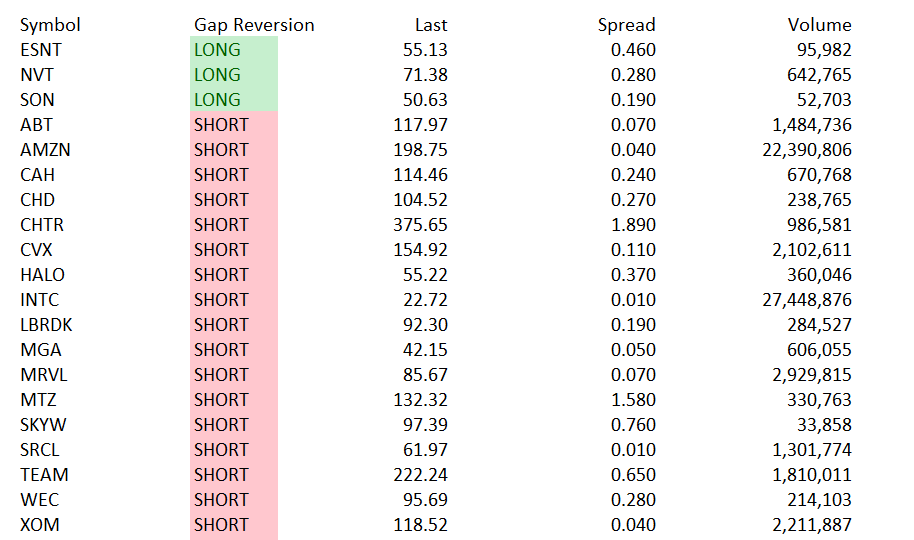
Below you'll find Ian's setups stacked up and ordered chronologically. As this service once resided at another home, the alerts only go back to mid July. For a full track record, see the portfolio.What’s So Standard About a Deviation?
In finance and trading, some technical terms can sound cryptic at best. One of these is the “standard deviation.” We often hear this phrase in discussions about market volatility, risk, and price fluctuations. But what is a standard deviation, and why do traders put so much emphasis on it? More specifically, how does measuring two standard deviations of the Average True Range (ATR) help traders put the odds in their favor when trading reversions? Let’s break it down.
Understanding Standard Deviation
In simple terms, a standard deviation is a statistical measure that tells us how far a set of numbers deviates from the average (or mean) of that set. When applied to trading, the standard deviation gauges the volatility or variability of price movement over a certain period. Higher standard deviations mean that prices are more spread out from the mean, indicating higher volatility, while lower standard deviations signify less variability and tighter clustering around the mean.
In trading, the standard deviation helps in understanding the “normal” range of price movement. Price action beyond this range can suggest either an overextended trend or an anomaly, opening up opportunities for strategic trades.
The Role of Average True Range (ATR)
The Average True Range (ATR), developed by J. Welles Wilder, is another measure traders use to assess volatility, but with a slightly different purpose. ATR measures the range within which a security’s price typically fluctuates over a given period, considering the highs and lows. Unlike the standard deviation, which looks at overall dispersion, ATR focuses more on the “true” range, capturing gaps and sharp moves that might be missed in a simple range calculation.
ATR essentially shows the level of volatility without specifying a direction. For instance, a high ATR indicates high volatility, but it doesn’t necessarily mean the price is trending up or down. By looking at ATR, traders can better gauge the intensity of market movement, which becomes critical for timing entries and exits.
Why 2 Standard Deviations?
A measurement of 2 standard deviations is a powerful tool for mean-reversion trading, particularly when combined with ATR. Here’s why:
- Statistical Probability: In a normal distribution, approximately 95% of the values fall within two standard deviations of the mean. Therefore, when a price moves beyond 2 standard deviations, it suggests an extreme move or an outlier. In other words, the price has deviated significantly from its typical range, which often signals that the move is unsustainable.
- Indicator of Overextension: By combining ATR with standard deviation, traders can measure whether a move is genuinely extended beyond its “average true range.” If a stock’s price has moved more than two standard deviations of its ATR, it may have reached an overbought or oversold level, depending on the direction. This can be a prime setup for a mean-reversion trade, where traders expect the price to revert to its average or baseline level.
- Setting Boundaries for Reversion: Using 2 standard deviations as a boundary helps traders place calculated bets on price reversals. The thinking is simple: if the price has moved so far from the mean, it’s more likely to reverse toward it rather than continue in the same extreme direction.
- Improving Risk Management: Trading reversals can be risky, as going against the trend always carries uncertainty. However, 2 standard deviations of ATR allow traders to quantify this risk. They can set stop losses or limit orders based on these extreme levels, aligning their trade management with volatility and reducing the odds of getting caught in erratic moves.
Why It Works for Reversion Trading
The concept of reversion to the mean is rooted in probability: if a price has moved far away from its average, there’s a good chance it will return. This is not always the case, as trends can override this logic, but this tendency holds in highly volatile or “mean-reverting” markets.
When the price moves beyond two standard deviations of ATR, the market will likely stretch thin in one direction. Other traders, seeing the same level of extreme deviation, might start taking profits or initiating counter-trades, reinforcing the reversion. This collective reaction can fuel the momentum toward the mean, creating a fertile ground for mean-reversion trades.
Example in Action
Imagine a stock with a 14-day ATR of $1.50. If the price moves to $3.00 (two times the ATR) away from its moving average, traders could consider this an overextended move. Whether the price has increased or decreased, they could view this deviation as a potential reversal opportunity based on the assumption that the price may revert to its average range.
Using a 2 standard deviation threshold gives traders a buffer, so they don’t react to every small fluctuation but only to substantial deviations, thereby improving their odds and reducing the likelihood of false signals.
Conclusion: Putting the Odds in Your Favor
In trading, tools that improve the probability of success are invaluable. Measuring 2 standard deviations of ATR is one such tool that can give traders an edge when trading reversions. It combines volatility and probability to signal opportunities where price action may be overextended and a reversion might be imminent.
This approach doesn’t eliminate risk but enhances the strategy’s effectiveness, as traders rely on statistical boundaries rather than subjective judgment. By waiting for the price to move two standard deviations beyond ATR, traders align themselves with patterns that are highly likely to reverse. This, in turn, allows them to approach mean-reversion trades with greater confidence and discipline, placing the odds in their favor.
To see the coursework available for trading 2SD Opening Gaps, click here.
Good Trading,
Adrian Manz
Mindfulness for Traders: How to Build Calm and Clarity in Your Trading Practice
Mindfulness for Traders
The mind can be your most powerful asset—or your greatest obstacle in trading. We’ve discussed the psychological hurdles traders face, like fear, impatience, and emotional attachment. However, what if there was a way to cultivate the clarity and composure needed to handle these challenges gracefully? Mindfulness offers traders the tools to stay present, make clearer decisions, and ultimately perform better by balancing emotions with logic. In this article, let’s explore mindfulness techniques that traders can easily incorporate into their daily routines to bring focus and resilience to their trading practice.
Begin Each Trading Session with Mindful Preparation
Establishing a short pre-trade routine is a great way to integrate mindfulness into your trading. Think of this as setting the stage for focused, intentional trading. Start by taking a few minutes to sit quietly, paying attention to your breath as you inhale and exhale. This grounding exercise helps reduce lingering tension and centers your mind before engaging with the fast-paced market.
How to Practice Mindful Preparation:
- Focus on Your Breathing: Close your eyes, take slow breaths, and count each inhale and exhale to a count of five. This small action centers you and brings your nervous system into a relaxed, balanced state.
- Set an Intention: Set a simple intention for the day as you breathe. For example, “I will follow my trading plan today without reacting emotionally,” or “I will stay patient and take only high-quality trades.”
- Visualize Your Trading Day: Mentally walk through your strategy and approach, envisioning yourself calmly making trades according to plan. This exercise can reduce stress and reinforce the disciplined actions you aim to take.
Practice Awareness of Emotions During Trades
One of the cornerstones of mindfulness is cultivating awareness of your emotions in the moment. Trading can trigger feelings like excitement, frustration, or fear, and mindfulness helps you observe these emotions without letting them dictate your actions. Recognizing when these emotions arise can prevent impulsive trades and reinforce disciplined decision-making.
How to Practice Emotional Awareness:
- Check in with Yourself Regularly: During the trading session, pause every 15–30 minutes to assess your feelings. Ask yourself: “Am I calm? Anxious? Overconfident?” Simply acknowledging emotions can reduce their power over you.
- Label Your Emotions: If you notice emotions rising—like nervousness about entering a trade or frustration after a loss—take a moment to label them. Saying to yourself, “I feel frustrated right now,” can create a small distance between the emotion and your reaction, making it easier to choose a disciplined response.
- Use a Breathing Technique Mid-Trade: If a trade starts going against you and you feel panicked, take three slow, deep breaths to regain focus. This small pause can help reset your mind and prevent reactive decisions.
Integrate a Post-Trade Reflection Practice
Mindfulness is not only helpful during trades; it’s equally valuable after the trading day ends. A mindful reflection can reveal insights into how emotions influence your trades and help you refine your mindset. This post-trade reflection fosters self-awareness and encourages you to learn from each trading day, building resilience over time.
How to Practice Reflection:
- Review Your Trades Mindfully: Look at each trade objectively, noting the technical aspects and the emotional responses you experienced. Did fear stop you from holding a profitable position? Did impatience lead to a premature entry?
- Write Down Lessons: Jot down key insights, such as “I rushed into this trade because I was impatient” or “I held this trade longer than planned because I felt overconfident.” These notes will serve as reminders to stay disciplined and mindful in future sessions.
- Practice Gratitude: End each reflection session by listing three things you’re grateful for, such as the opportunity to learn, the capital to trade, or the insights gained. Gratitude shifts your perspective and helps you focus on long-term growth rather than daily outcomes.
Cultivate Mindfulness Outside of Trading
Mindfulness isn’t limited to the trading desk. Regular mindfulness practices outside of market hours can strengthen your ability to stay calm and focused. Incorporating mindfulness into your daily routine—whether through meditation, mindful movement, or simply observing your thoughts—can enhance your resilience and focus in all areas of life, including trading.
How to Practice Mindfulness:
- Daily Meditation: Even just 10–15 minutes of daily meditation can significantly improve your focus, emotional control, and resilience. Apps like Headspace or Insight Timer offer guided meditations specifically designed for focus and relaxation.
- Mindful Movement: Engaging in activities like yoga or tai chi helps bring mindfulness into the body, reducing stress and cultivating a sense of calm and balance that carries into the trading day.
- Mindful Journaling: Each evening, spend five minutes writing about your day, focusing on the emotions you experienced and how you responded. This practice reinforces self-awareness and helps you identify areas for growth.
Final Thoughts
Practicing mindfulness in trading is not about eliminating emotions but about managing them with awareness and composure. By incorporating these mindfulness techniques, you’ll be better equipped to navigate the highs and lows of the market, make disciplined decisions, and build long-term trading success. Trading is as much a mental game as a technical one, and mindfulness can be your most powerful ally in cultivating the calm and clarity essential for lasting success. Remember, like any skill, mindfulness takes practice, so be patient with yourself as you develop this invaluable habit.
Good Trading,
Julie Manz
Why Traders Who Choose My Income Trading Boot Camp Become Savvy Market Operators
Becoming a successful trader takes more than market knowledge or the ability to read charts — it requires a disciplined approach, structured strategies, and psychological resilience to stay in the game for the long run. My Income Trading Boot Camp, Coaching Program, and Mastermind Group is designed to equip traders with these tools, helping them transition from novice to full- or part-time professionals. Here’s what traders can expect to learn in this comprehensive program.
1. Core Strategies for Consistent Profits
One of the pillars of my training programs is a structured approach to trading that emphasizes consistency and risk management over high-stakes speculation. The Boot Camp teaches traders time-tested strategies that we have used successfully in our three-decade trading career:
- The One-Hour Trader Strategy: This strategy focuses on capturing profitable trades within the first hour of the trading day. It is perfect for traders who want to start their day strong. It includes setups, entry points, and exit points that align with high-probability moves.
- Around the Horn and NASDAQ Volatility Band Trading Plans: These strategies dive into sector-specific and volatility-based trading approaches that Adrian has refined over decades of market experience. Traders learn how to apply these strategies, adjusting them based on market conditions.
- Baltimore Chop 2SD Opening Gap Strategy: Designed to capitalize on significant opening price gaps, this strategy uses a statistical approach to target opportunities where the stock’s opening gap reaches two standard deviations from its average. This method captures strong reversals or trend continuations, helping traders make quick, decisive trades during the market’s early volatility.
- Magnificent 7 Trading Strategy: This strategy focuses on high-profile, mega-cap stocks that drive market movements, offering traders structured entry and exit points based on reliable price patterns and sector performance. It’s tailored for capturing trends driven by major market players, helping traders consistently align with market momentum.
- Tape Reading Skills: Tape reading is essential for identifying real-time buying and selling pressure in the market. Traders learn how to interpret Level II and NYSE OpenBook data and the time and sales ticker, which helps them gauge supply and demand dynamics and identify potential reversals or breakouts more accurately.
- Order Flow Analysis: Understanding the flow of orders in the market gives traders insights into where large institutional players are positioned. Through order flow analysis, traders learn to spot the footprints of major buyers and sellers, allowing them to align their trades with the market’s underlying momentum.
- Futures Momentum Trading: This strategy targets short-term trends in the futures market, capitalizing on momentum-driven price movements in indices, commodities, or currencies. By applying momentum indicators and volume analysis, traders can enter trades at optimal points during strong trends and manage risk through predefined exits.
- XRV Trading Plan: Exclusive to the Mastermind Group, this strategy uses a proprietary algorithm to uncover high-probability Nasdaq trades driven by institutional buying and selling. This advanced approach gives traders a competitive edge, particularly useful for those trading high-volume stocks and indexes.
Each strategy equips traders with tools for structured, disciplined trading, helping them maximize potential while minimizing risk.
2. Real-Time Coaching and Personalized Feedback
A unique benefit of the Coaching Program is the personalized guidance that Julie and I provide students. Through hands-on coaching, participants receive real-time feedback on their trades, giving them insight into their strengths and areas for improvement.
- Trade Analysis and Review: I personally review trades made by participants, offering feedback on what went well and where adjustments could be beneficial. This helps traders refine their strategies in a way that’s tailored to their style and risk tolerance.
- Live Market Sessions: Traders can see strategies applied in real-time market conditions. I walk participants through live setups, discussing the rationale behind each trade and addressing the psychological aspects of making confident trading decisions.
- Ongoing Support: Even after the Boot Camp sessions end, the Coaching Program includes one year of ongoing support to ensure traders stay on track. This long-term approach helps traders implement and fine-tune their strategies in their everyday practice. Alumn can always pick up the phone and call Julie or me to get the guidance they need.
3. Overcoming Psychological Barriers to Success
Trading is as much a mental game as it is a technical one. Boot Camp focuses on helping traders overcome common psychological obstacles, such as fear, impatience, and overconfidence, that can undermine success.
- Managing Emotions in Real Time: The Boot Camp covers techniques for managing stress, staying disciplined, and avoiding impulsive decisions during high-stakes moments. Participants learn to control emotions and maintain a level-headed approach, especially during market fluctuations.
- Building Confidence through Preparation: We emphasize the importance of preparation and discipline, ultimately building confidence. By practicing strategies in simulations and receiving feedback, traders can approach each trade with a clear plan rather than reacting to the market in the moment.
- Creating a Success-Oriented Mindset: Traders also learn the importance of setting realistic expectations, daily routines, and long-term goals to sustain motivation and focus. This mindset training is crucial for maintaining a trading career and weathering the inevitable ups and downs of the market.
4. Professional Tools and Resources
Adrian’s Boot Camp and Mastermind Group provide traders with access to a suite of tools designed to streamline the trading process and improve execution:
- War Room Access: Traders gain access to the War Room for one year, where they can interact with other participants, discuss market developments, and see my real-time commentary and trading setups.
- Trader Volatility Clock: This tool is especially useful for traders who rely on volatility patterns to make decisions. By tracking price movements and shifts in volatility, the Volatility Clock helps traders pinpoint the best entry and exit points in line with our strategies.
- Personalized Trading Plans: Participants leave the program with a customized trading plan that aligns with their goals, risk tolerance, and schedule. These plans, built around the strategies taught in the Boot Camp, provide a daily roadmap for maintaining discipline and consistency.
5. Accountability and a Supportive Trading Community
Learning to trade can be a solitary endeavor, but the Coaching Program and Mastermind Group offer a supportive community of like-minded traders. This camaraderie helps participants stay accountable, share experiences, and learn from each other’s insights:
- Mastermind Group: The select group of traders in the Mastermind Group benefits from a tight-knit environment where they can share challenges and celebrate successes. This peer support and our guidance fosters a collaborative learning atmosphere.
- Accountability Checkpoints: With frequent check-ins, participants are encouraged to stick to their plans and evaluate their progress. This accountability helps traders stay on track, refine their skills, and work through difficulties constructively.
- Networking Opportunities: Traders in the Income Trading Boot Camp program have the chance to build relationships with other serious traders, creating valuable connections that can last long after the program ends.
6. Ongoing Learning and Adaptation to Market Changes
Markets are constantly evolving, and successful traders must adapt to stay profitable. Adrian’s programs equip traders with skills to monitor and adjust their strategies to fit current market conditions:
- Identifying Market Trends and Sector Rotations: The Boot Camp covers techniques for recognizing emerging trends and sector rotations, allowing traders to adjust their strategies to capture new opportunities.
- Learning from Post-Trade Analysis: Traders are encouraged to review their trades to assess what worked and what didn’t, helping them make continuous improvements. This data-driven approach teaches traders to see every trade as a learning experience.
- Staying Current on Tools and Techniques: Adrian’s Coaching Program keeps traders up-to-date on any updates to the proprietary tools and new strategies to respond to market shifts, ensuring they always have the latest resources at their fingertips.
Final Thoughts
The Income Trading Boot Camp, Coaching Program, and Mastermind Group offer a complete package for traders seeking a structured, results-driven approach to trading. By covering everything from strategy development and technical analysis to psychological resilience and community support, The program prepares participants to navigate the complexities of the market with confidence. Whether you’re aiming to go full-time or simply supplement your income, the lessons learned in this program are invaluable for taking your trading skills to the next level.
I hope this helps you gain a better understanding of the expert education that we provide!
Good Trading,
Adrian Manz
Mastering Trader Psychology 2: More Psychological Hurdles to Conquer
My last article explored traders’ common psychological hurdles: FOMO, loss aversion, and overconfidence. These are foundational challenges, but trading psychology goes even deeper. Today, let’s tackle three additional hurdles that can sabotage even the most experienced traders: perfectionism, impatience, and emotional detachment. Recognizing and working through these challenges will build the resilience and adaptability necessary for long-term success.
Perfectionism: The Quest for the “Perfect” Trade
Many traders, especially those new to the game, can fall into the trap of perfectionism. They spend excessive time hunting for the “perfect” setup, wanting all signals to align exactly as they envision. While discipline and precision are essential in trading, striving for perfection can lead to hesitation, missed opportunities, and frustration when trades don’t play out exactly as planned.
How to Overcome Perfectionism:
To combat perfectionism, shift your mindset from seeking perfection to aiming for consistency. Accept that no trade will ever be flawless and that every strategy will have ups and downs. Focus on executing your trading plan, even when the setup isn’t “perfect.” Logging each trade in a journal and reviewing it objectively can also help by reinforcing that your goal is long-term success, not winning on every trade. By aiming for progress over perfection, you’ll find it easier to act decisively and avoid the paralysis that comes from over-analysis.
Impatience: The Urge to Act
The market is constantly moving, and it’s easy to feel pressured to “do something” with every price change. Impatience is a common hurdle that leads traders to act prematurely, either by entering trades too soon or exiting too quickly without letting profits run. This impulsive behavior often results in losses or missed gains, eroding capital and confidence over time.
How to Overcome Impatience:
Developing patience requires disciplined self-control and a clear understanding of your strategy. Setting specific entry and exit criteria—and sticking to them—can prevent impulsive actions. Consider using alerts for key price levels instead of watching the screen constantly, which can help remove the temptation to act without reason. A valuable exercise is to set a daily or weekly trading limit, such as only taking a certain number of trades or spending only a set amount of time watching the markets. This reinforces the importance of quality over quantity and helps you develop the patience to wait for truly high-probability opportunities.
Emotional Detachment: Staying Grounded Through Wins and Losses
Traders often hear advice to “trade without emotion.” While expecting complete detachment is unrealistic, successful trading requires managing emotions to stay grounded. Emotional detachment doesn’t mean ignoring your feelings but ensuring that emotions—like excitement after a win or frustration after a loss—don’t influence your decision-making. When emotions drive actions, traders often take impulsive trades or deviate from their plan, leading to inconsistency and losses.
How to Cultivate Emotional Detachment:
One of the best ways to manage emotions in trading is to adopt a routine that includes pre- and post-trade reflections. Before trading, take a few moments to center yourself and mentally review your plan, reinforcing your goals for the day and setting you up to trade with intention. After each session, review your trades and note any emotional influences. Consistent reflection will make you more aware of emotional triggers and learn to address them constructively. Additionally, practicing mindfulness or meditation can help create a sense of calm and mental clarity, both valuable assets when facing the highs and lows of the market.
Final Thoughts
If left unchecked, perfectionism, impatience, and emotional attachment can undermine your trading success. By becoming aware of these additional psychological hurdles and developing strategies to handle them, you’ll build the emotional resilience and mental discipline essential for consistent results. Remember, mastering trader psychology is a long journey, but each step forward strengthens your ability to navigate the markets with clarity, focus, and, ultimately, success.
Good Trading,
Julie Manz
Trader Psychology Part One: Overcoming Three Major Psychological Hurdles
Overcoming Psychological Hurdles in Trading
Trading can be one of the most mentally challenging careers, requiring discipline, quick decision-making, and resilience. While technical knowledge is essential, the mental side of trading often separates success from failure. Through years of working with traders, I’ve seen the psychological hurdles that tend to stand in the way of consistent profits and trading success. Let’s dive into three of the most common psychological obstacles traders face—and how to overcome them.
1. Fear of Missing Out (FOMO)
The fear of missing out, or FOMO, is one of the most common struggles traders face, especially in today’s fast-moving markets. When a stock starts to surge, traders often feel a powerful pull to jump in, fearing they’ll miss an opportunity for quick profits. This feeling can lead to impulsive decisions, entering trades without a plan, or chasing price movements well past optimal entry points.
How to Overcome FOMO:
To beat FOMO, practice patience and remind yourself that there will always be another opportunity. Develop a structured trading plan that includes entry and exit points, and commit to only taking trades that meet your criteria. By focusing on the quality of trades rather than quantity, you’ll stay in control of your decisions. If you find yourself struggling, take a step back and review past trades where you acted on FOMO—often, these will reveal patterns of poor outcomes that remind you to stay disciplined.
2. The Pain of Taking a Loss
No one likes to lose money, but losses are inevitable in trading. For many traders, the pain of taking a loss can be so intense that they hold onto losing positions far too long, hoping for a turnaround. This behavior can cause small losses to snowball into significant setbacks and can be mentally draining.
How to Overcome Loss Aversion:
Reframing your approach to losses is crucial. Instead of seeing them as failures, view losses as part of the trading process. Successful traders understand that every trade has an element of risk and that even the best setups won’t always win. To reduce loss aversion, set stop-loss levels before entering any trade and commit to honoring them. Develop a trading journal to review your decisions, helping you see losses objectively and as learning opportunities. The more you accept losses as part of the journey, the easier it becomes to move on from them.
3. Overconfidence After a Winning Streak
Winning feels fantastic, and a streak of profitable trades can boost a trader’s confidence. However, overconfidence can quickly lead to riskier trades, larger positions, and a tendency to overlook the rules that brought initial success. Many traders, particularly those newer to the market, fall into the trap of assuming they have “figured it out” after a string of wins, only to face unexpected losses that wipe out recent gains.
How to Overcome Overconfidence:
To keep overconfidence in check, treat every trade as independent of past wins or losses. Stick to your risk management rules regardless of your recent success, and resist the urge to increase position sizes impulsively. Regularly revisit your trading plan to stay grounded in the process that brought success rather than the outcome. Taking breaks after a profitable run can also help keep your mindset balanced and focused.
Final Thoughts
Mastering the psychology of trading is just as important as understanding technical strategies. You can cultivate the emotional resilience and self-discipline necessary to achieve consistent results by recognizing and addressing FOMO, loss aversion, and overconfidence. Trading is a marathon, not a sprint; the mental skills you build along the way are as vital to your success as your strategies. Embrace these psychological challenges as part of the process, and remember that overcoming them can transform you into a stronger, more adaptable trader.
Good Trading,
Julie Manz
Click here for part two of this article.
Getting Started in Day Trading: What You Need to Begin
Day trading is both challenging and potentially rewarding, allowing traders to capitalize on short-term price movements in the financial markets. However, it requires more than just a desire to trade — it demands discipline, knowledge, and the right tools. Here’s what you’ll need to get started on the right foot.
1. Education and Training: Building a Foundation of Knowledge
Day trading can be lucrative, but it’s also risky, especially for those who jump in without a solid understanding of the market. Before putting real money on the line, it’s essential to invest time in learning:
- Market Fundamentals: Understand the basics of how stocks, futures, forex, and other assets are traded. This includes key concepts like bid/ask spreads, liquidity, volume, and volatility.
- Technical Analysis: This is crucial for day trading, as it involves studying charts, price patterns, and technical indicators like moving averages, RSI, and MACD to make quick decisions.
- Trading Strategies: Learn different strategies, such as momentum trading, scalping, and breakout trading, and find one or two that align with your trading style and risk tolerance.
- Risk Management: Effective traders focus on capital preservation and use risk management tools like stop losses and position sizing to limit losses.
Fortunately, there are plenty of online resources, books, and courses to help new traders get up to speed, and many brokers even offer paper trading accounts to practice without risking real money.
2. A Reliable Trading Platform and Broker
Choosing the right broker and trading platform is critical, as these tools are your main connection to the market:
- Broker Requirements: Look for a broker with a solid reputation, competitive fees, fast execution times, and good customer support. Ensure the broker offers the assets you plan to trade. Some specialize in stocks, while others focus on forex or futures.
- Platform Features: The platform should offer robust charting tools, access to technical indicators, news feeds, and customizable layouts to match your trading needs.
- Order Types and Execution: Since speed matters in day trading, you’ll want a platform that offers advanced order types (like stop-limit orders) and allows for fast, reliable execution.
Many platforms offer free trials, a great way to test their features before committing.
3. Minimum Capital Requirements
Day trading often requires a significant capital commitment due to regulatory requirements and the fast-paced nature of the activity:
- Pattern Day Trader (PDT) Rule: In the U.S., the PDT rule requires traders with accounts below $25,000 to make no more than three-day trades within a rolling five-day period. Maintaining a balance above this threshold allows unlimited day trades in margin accounts.
- Leverage and Margin: Many brokers offer leverage, which can amplify gains and increase the risk of losses. Understanding margin requirements and how leverage impacts risk is essential for anyone using a margin account.
While the exact capital needed varies depending on the asset traded and individual goals, having sufficient capital to meet these requirements is a baseline for serious day trading.
4. Risk Management and Discipline: Keys to Success
Successful day traders protect their capital by using strict risk management principles and adhering to their trading plans:
- Position Sizing and Stop Losses: These tools help traders manage risk on individual trades. Effective position sizing ensures that no single trade can wipe out a significant portion of the account, while stop losses automatically close a trade at a predetermined price to limit losses.
- Daily Loss Limits: Many traders set daily loss limits to prevent a bad day from turning catastrophic. For example, stopping for the day after losing a certain percentage of the account helps avoid “revenge trading” and spiraling losses.
- Emotional Control: The fast-moving nature of day trading can lead to emotional highs and lows. Practicing patience, maintaining discipline, and adhering to a trading plan can help keep emotions in check.
5. Tools of the Trade: Technical Indicators and Research Resources
Day trading is powered by data, so having access to the right tools and resources is essential:
- Charting Software: Many trading platforms offer built-in charting tools, but standalone software like TradingView or MetaTrader provides a broader range of customization and indicators.
- News Feeds and Economic Calendars: Market-moving events can shift prices in seconds, so having real-time news access (such as Bloomberg or Reuters) and an economic calendar helps traders stay aware of potential catalysts.
- Technical Indicators: Familiarize yourself with common indicators like moving averages, Bollinger Bands, and candlestick patterns to recognize potential entry and exit points.
6. A Well-Tested Trading Plan
Before trading with real money, a new day trader should develop and rigorously test a trading plan. The plan should include:
- Entry and Exit Criteria: Clearly defined criteria for entering and exiting trades, including the technical indicators or price patterns you rely on.
- Timeframes and Trading Hours: Decide the specific hours you’ll trade. Many day traders focus on the first and last hour of the trading day due to higher volatility and volume.
- Risk Management Rules, such as stop losses, position sizing rules, and maximum daily or weekly loss limits, are essential for long-term success.
Testing the plan in a simulated (or “paper”) trading environment allows traders to see if it performs as expected in real market conditions without risking capital.
7. A Realistic Mindset and Clear Goals
Day trading offers potential rewards, but it’s essential to approach it with realistic expectations:
- Profit Expectations: Day trading is not a “get rich quick” endeavor. Many traders aim for modest, consistent gains rather than huge profits.
- Continual Learning and Adaptation: The markets are always changing, and staying profitable requires continuous learning and adapting. Review your trades, identify areas for improvement, and adjust strategies as needed.
- Long-Term Mindset: Success in day trading comes with time, experience, and gradual improvement. Approach it as a long-term journey, and don’t be discouraged by early setbacks.
Final Thoughts
Starting in day trading takes dedication, education, and the right setup. By building a solid foundation of knowledge, securing reliable tools, and practicing risk management, new traders can position themselves for a more successful experience. Approach each trading day with patience and discipline, and remember that day trading requires continuous learning and adaptation to succeed over the long haul.
Good Trading,
Adrian Manz
Why Day Traders Often Make Money in the Morning and Lose Money in the Afternoon
The life of a day trader is marked by constant decision-making, rapid execution, and the thrill of the markets. However, one interesting and often frustrating pattern emerges for many traders: profits come in the morning, and losses hit in the afternoon. Understanding why this happens is key for traders looking to break out of the cycle and maximize profitability throughout the day.
Higher Volatility in the Morning
The market opens with a surge of activity, as traders, funds, and institutions react to news, reports, and events from overnight and pre-market trading. This flurry creates high volatility, leading to larger price swings and more trading opportunities for day traders.
- Reaction to News: Overnight events, like earnings reports or geopolitical news, impact stocks right at the open. This burst of information fuels a rush to buy or sell as participants digest fresh data.
- Pre-Market Positioning: Institutional traders and funds often make significant moves at the start of the day, adding to volatility and opening opportunities for smaller traders to capitalize on those price movements.
The bottom line: Morning volatility gives traders more room to take profits on trades as price movements are larger and faster.
The Power of Psychology and Decision Fatigue
The morning brings traders a fresh mindset, and they are well-rested and ready to execute their strategies. However, mental fatigue and emotional biases can cloud decision-making as the day progresses.
- Decision Fatigue: The repeated, high-stakes decisions of trading take a toll, and as the day wears on, traders are more likely to make impulsive or emotional trades rather than sticking to their strategies.
- Overconfidence and Loss Chasing: Morning success can lead to overconfidence, prompting traders to take on more risk or chase losses from earlier mistakes. This tends to amplify losses as the afternoon drags on.
Remaining disciplined and managing energy levels throughout the day can help traders avoid the temptation to make risky decisions as they grow tired.
Reduced Volume and Liquidity in the Afternoon
After the morning’s burst of activity, the midday period usually sees a drop in trading volume. With fewer participants, price action becomes slower and often less predictable.
- Lower Liquidity: With fewer trades happening, it’s harder to get in and out of positions without affecting prices, which means tighter spreads and fewer opportunities.
- Increased Unpredictability: Lower volume also introduces “noise,” where prices fluctuate without clear direction, making technical signals less reliable.
Lower liquidity can lead traders to stay in positions longer than intended, often holding through uncertain price moves that lead to losses.
Market Manipulation and Institutional Influence
Institutions that dominate the early market hours often step back or adjust positions around midday, leading to less directional price action. This lack of institutional “guidance” can leave retail traders navigating choppy waters.
- Algo Activity: Algorithmic trading can pick up in the quieter afternoon, adding a layer of complexity as prices react to systematic, rather than fundamental or technical, signals.
- End-of-Day Adjustments: Some institutions re-enter the market later in the afternoon to adjust their positions before the close, creating unexpected reversals that can trap unwary day traders.
These factors can blindside traders, pulling them into trades that appear favorable but change course as the institutional moves pick up.
Increased Risk of Overtrading
With the fast-paced morning session, many traders meet their profit goals early but continue trading out of habit or ambition. Afternoon trading can encourage overtrading, especially as the slower pace tempts traders to “force” opportunities.
- Boredom Trading: As the market quiets down, some traders seek out trades just to stay active, entering low-probability setups that can erode profits from earlier in the day.
- Emotional Trading: Losses taken earlier often create a drive to “make it back,” leading to emotional decision-making and increased risk exposure.
Focusing on high-quality setups and setting firm goals can help traders avoid the temptation to chase marginal trades as the day slows.
How to Improve Profitability Throughout the Day
For traders to avoid the “morning profit, afternoon loss” cycle, adjustments in strategy and mindset are essential:
- Stick to the Morning Plan: Many successful traders implement rules to limit afternoon trading or require stronger confirmation for afternoon setups, preserving profits earned earlier.
- Focus on High-Probability Setups: Avoid chasing every opportunity. Instead, prioritize setups that align with the day’s overall trend or your tested strategies.
- Limit Exposure in the Afternoon: Some traders find value in reducing position sizes in the afternoon to limit risk.
- Manage Energy and Emotions: Take scheduled breaks, stretch, or meditate to keep decision fatigue in check, and focus on making thoughtful trades rather than rapid ones.
Ultimately, understanding why morning sessions offer more opportunities and adapting strategies accordingly can make all the difference. Day traders can better protect their profits and improve overall success rates by acknowledging the unique challenges and lower probabilities of afternoon trading.
Good Trading,
Adrian Manz
Why AAPL is a Great Stock to Trade in the Premarket and at the Opening Bell
Apple Inc. (AAPL) is one of the most traded stocks in the world, with robust daily volume, high liquidity, and a well-established reputation for innovation. For day traders, AAPL’s premarket and opening bell periods offer unique opportunities for quick, potentially profitable trades. Here’s a look at why AAPL is such an attractive stock for early trading sessions.
1. Consistent Premarket Volume and Liquidity
One of the biggest challenges of premarket trading is the limited volume and liquidity, which can lead to wide spreads and erratic price movements. However, AAPL is an exception:
- High Liquidity: AAPL consistently ranks among the top in daily volume on the NASDAQ, and this high liquidity extends into the premarket session. This availability of shares makes it easier for traders to enter and exit positions with minimal slippage.
- Tighter Bid-Ask Spreads: While most stocks experience wide spreads before the market opens, AAPL’s high volume helps keep spreads relatively narrow, allowing traders to get closer to their desired entry and exit prices.
This makes AAPL one of the most accessible stocks for premarket traders, reducing some of the risks typically associated with premarket volatility.
2. Sensitivity to News and Earnings Reports
Apple is a high-profile company that often makes headlines, and premarket is when traders react to overnight news, earnings, and key announcements:
- Reaction to News: Apple’s prominence means that news regarding new product launches, regulatory developments, and analyst upgrades or downgrades can create immediate and significant price movements.
- Earnings Announcements: Apple’s earnings reports, which are typically released after the market closes, can have substantial effects on its price, with the most significant reactions often occurring in the premarket and just after the opening bell.
Traders looking for quick, impactful price movements can benefit from Apple’s sensitivity to news and announcements, especially if they can get into positions before the majority of the market opens.
3. Technical Patterns and Reliable Opening Bell Price Action
The opening bell often sets the tone for the trading day, with institutional investors and large funds making moves based on overnight analysis. AAPL is particularly responsive to technical patterns and price levels during these times:
- Gap Fill Opportunities: AAPL often exhibits gaps up or down from its previous day’s close. If AAPL gaps up on positive news, traders often see an early pullback as profit-takers come in. Conversely, a gap down can attract bargain hunters, driving a recovery rally.
- Breakouts and Reversals: The high volume in AAPL during the opening minutes frequently leads to clear breakout levels or sharp reversals. Experienced traders often use AAPL’s opening range to gauge the day’s trend direction, with reliable patterns forming on intraday charts.
These patterns make it possible to apply strategies like gap fills, breakouts, and scalping right at the open, leveraging the technical dynamics in AAPL’s price action.
4. Strong Institutional and Retail Interest
AAPL is widely held by both institutional and retail investors, leading to high trading activity and price responsiveness. This dual interest amplifies price movements, particularly at the open, as institutions and retail traders act on news and analysis:
- Institutional Trading Power: Institutions often make large moves right after the opening bell to adjust positions in response to new information. These high-volume trades can create noticeable price swings in AAPL, which savvy traders can capitalize on.
- Retail Trader Activity: Many retail traders who favor AAPL also tend to trade early in the day, creating an added layer of volume and demand. Retail investors often trade based on news, creating quick upward or downward moves that day traders can exploit.
This combined interest leads to highly tradable price swings, providing frequent and lucrative entry and exit points.
5. Predictable Volatility in the Premarket and Right After Open
AAPL’s opening minutes are known for their volatility, which can offer strong opportunities for quick profits. However, this volatility tends to follow a predictable pattern:
- High Volatility at the Open: AAPL’s price frequently experiences sharp moves right after the market opens as traders react to premarket activity and overnight news. This volatility creates opportunities for traders who favor quick scalping and short-term strategies.
- Patterned Price Movements: Many day traders notice that AAPL follows certain patterns, such as initial pullbacks after a gap-up open or early rallies after positive news. Recognizing these patterns allows for more calculated trades, helping traders avoid unnecessary risk.
For traders with a clear entry and exit strategy, this predictable volatility can lead to efficient and high-probability trades.
6. Technical Indicators Respond Well on AAPL
Due to AAPL’s high liquidity and consistent price action, technical indicators tend to be more reliable on this stock, particularly at the open:
- Indicators like VWAP, Moving Averages, and RSI: AAPL’s liquidity gives indicators like the Volume Weighted Average Price (VWAP) added significance. Short-term moving averages also help identify key levels in early trading. Many traders rely on these indicators to set up quick trades around the opening bell.
- Breakout Levels and Support/Resistance: AAPL responds well to common technical levels, making it easier for traders to determine when to enter and exit trades based on trend confirmation or reversal patterns.
The responsiveness to technical indicators makes AAPL a favorable choice for day traders using chart-based strategies.
7. Easily Accessible Options for Leveraged Trades
AAPL is also a top choice for options traders, offering a way to leverage trades and control risk through premarket and opening bell periods:
- High Liquidity in Options: AAPL has one of the most active options markets, providing traders with a wide range of strike prices and expiration dates.
- Weekly Options: AAPL offers weekly options, giving traders more flexibility to target specific moves with lower upfront capital. Many traders use these options in early trading to capitalize on directional moves while limiting downside risk.
With its liquid options market, traders can take advantage of AAPL’s price movements with relatively lower risk by using options strategies such as calls, puts, or spreads.
Final Thoughts
Apple Inc. (AAPL) consistently ranks as a favorite among day traders due to its high liquidity, consistent volume, sensitivity to news, and predictable price patterns. These characteristics make it an ideal candidate for premarket and opening bell trades, offering opportunities to leverage technical analysis and capitalize on fast price movements. With the right tools, preparation, and a clear strategy, traders can use AAPL to take advantage of early market momentum and improve their chances of profitability.
Good Trading,
Adrian Manz
November 1, 2024