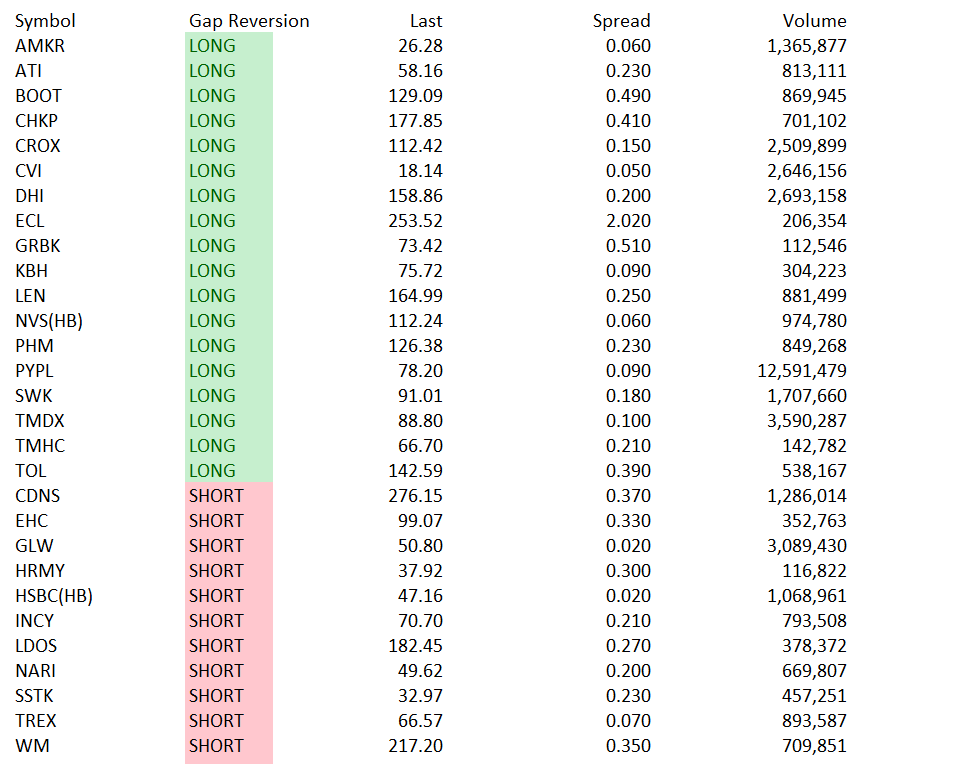
Forgotten Profits Trade Setup Archive
Below you'll find Ian's setups stacked up and ordered chronologically. As this service once resided at another home, the alerts only go back to mid July. For a full track record, see the portfolio.Will Presidential Election Week Be Difficult for Day Traders to Profit From?
As we approach November 4, 2024, the U.S. presidential election is top of mind for many market participants. Election week historically brings a heightened sense of anticipation, with traders reacting to potential policy shifts and geopolitical implications. For day traders, this can be a tricky time, as election-related news often causes unpredictable price swings and market volatility. Here’s a look at the factors that make trading during election week particularly challenging and what traders can expect as the 2024 election week unfolds.
Why Election Week Brings Unique Challenges
- Increased Volatility and Market Whipsaws
- Presidential elections inject uncertainty into the markets, leading to a higher-than-average volume and volatility. During election week, even minor news events can trigger significant market reactions, which may not align with broader economic fundamentals or technical indicators. While volatility can create profit opportunities, it also increases the risk of sharp reversals, especially when day trades are based on momentum.
- Historically, election weeks have exhibited unpredictable trading patterns. According to the Stock Trader’s Almanac, the election period tends to see rapid and sometimes unexpected shifts, as investors and institutions reassess their positions based on emerging election trends and projections.
- Impact of Election Results and Speculation on Sectors
- Certain sectors are more affected by the potential outcomes of presidential elections than others. For example, healthcare, energy, and technology stocks might experience additional volatility, as each candidate may have different policies that impact these industries. This speculation often begins days before the election, intensifying during election week as the results become clearer.
- Day traders may find it challenging to trade in sectors heavily influenced by the candidates’ platforms, as quick shifts in sentiment can disrupt trends and create a choppy environment. Trying to anticipate the market’s reaction to political events is inherently risky, as sentiment can swing sharply, making it challenging to execute timely and profitable trades.
- Unpredictable Reactions to Election Outcomes
- Even when a clear winner is projected, the market’s response isn’t always straightforward. In recent elections, the market’s initial reaction has often been unexpected. For example, following the 2016 election, U.S. stock futures initially dropped, but stocks surged as the day progressed. These kinds of reversals can be challenging for day traders, who rely on short-term trends and momentum.
- Additionally, in 2024, market sentiment could be especially volatile if there’s an unexpected delay in the results or if there are contentions over vote counts. For day traders, any prolonged uncertainty could result in erratic price movements and increased risk, as the market fluctuates based on speculation and rumors rather than concrete economic indicators.
- Higher Liquidity but Potential for Flash Moves
- During election week, trading volume typically surges as institutional investors adjust their positions, which can create a more liquid market. However, this liquidity also comes with the potential for “flash moves” – sudden, sharp price movements that occur when large buy or sell orders hit the market. These moves can trigger stop-loss orders and quickly reverse, making it difficult for day traders to manage their positions effectively.
- For instance, if news of a candidate’s strong showing in a particular state is released, traders may see an immediate surge in one direction followed by an equally sharp pullback. Managing trades under these conditions requires swift decision-making and can be difficult without a clear market trend.
How Day Traders Can Prepare for Election Week
To navigate the challenges of election week successfully, day traders should take a more strategic approach:
- Reduce Position Sizes: During periods of high volatility, smaller positions can help limit exposure to sudden market reversals. This allows traders to stay engaged in the market without risking significant losses on a single position.
- Set Tighter Stop-Losses: With rapid price fluctuations expected, using tighter stop-losses can help limit losses. This approach is essential when trades move against you quickly, allowing you to cut losses before they accumulate.
- Focus on Clear Patterns and High-Probability Setups: Avoid speculative trades based on rumors or fleeting news updates. Instead, focus on technical setups that have been consistently reliable. Patterns with clear entry and exit points, such as breakouts from established support or resistance levels, can be more dependable in uncertain markets.
- Consider Waiting for Confirmation: During election week, some day traders might choose to wait until clear market direction emerges rather than trading immediately at the open. Often, the market experiences an initial burst of volatility in the morning, followed by a more stable trend later in the day. Waiting for this confirmation can help reduce the risk of getting caught in a whipsaw.
- Stay Informed but Avoid Overreacting to News: Staying updated on election-related news is crucial, but traders should avoid overreacting to every headline. Major news events, such as significant poll results or early election forecasts, can cause temporary spikes, but not every move will be sustainable. A measured approach to news-based trading is essential to avoid entering trades prematurely.
Key Takeaways
The week of November 4, 2024, will likely present both opportunities and challenges for day traders. While increased volatility can lead to profitable opportunities, it also amplifies the risk of sharp reversals, making it harder to capture reliable trends. Managing risk through smaller position sizes, tighter stop-losses, and a more selective approach to setups can help traders stay safe.
For those who thrive in fast-paced environments and are willing to adopt a disciplined approach, election week may offer ample opportunities. However, traders should proceed with caution, acknowledging that markets during presidential elections are inherently unpredictable. By prioritizing risk management and sticking to proven strategies, day traders can navigate the volatility and take advantage of opportunities as they arise.
Good Trading,
Adrian Manz
October 31, 2024
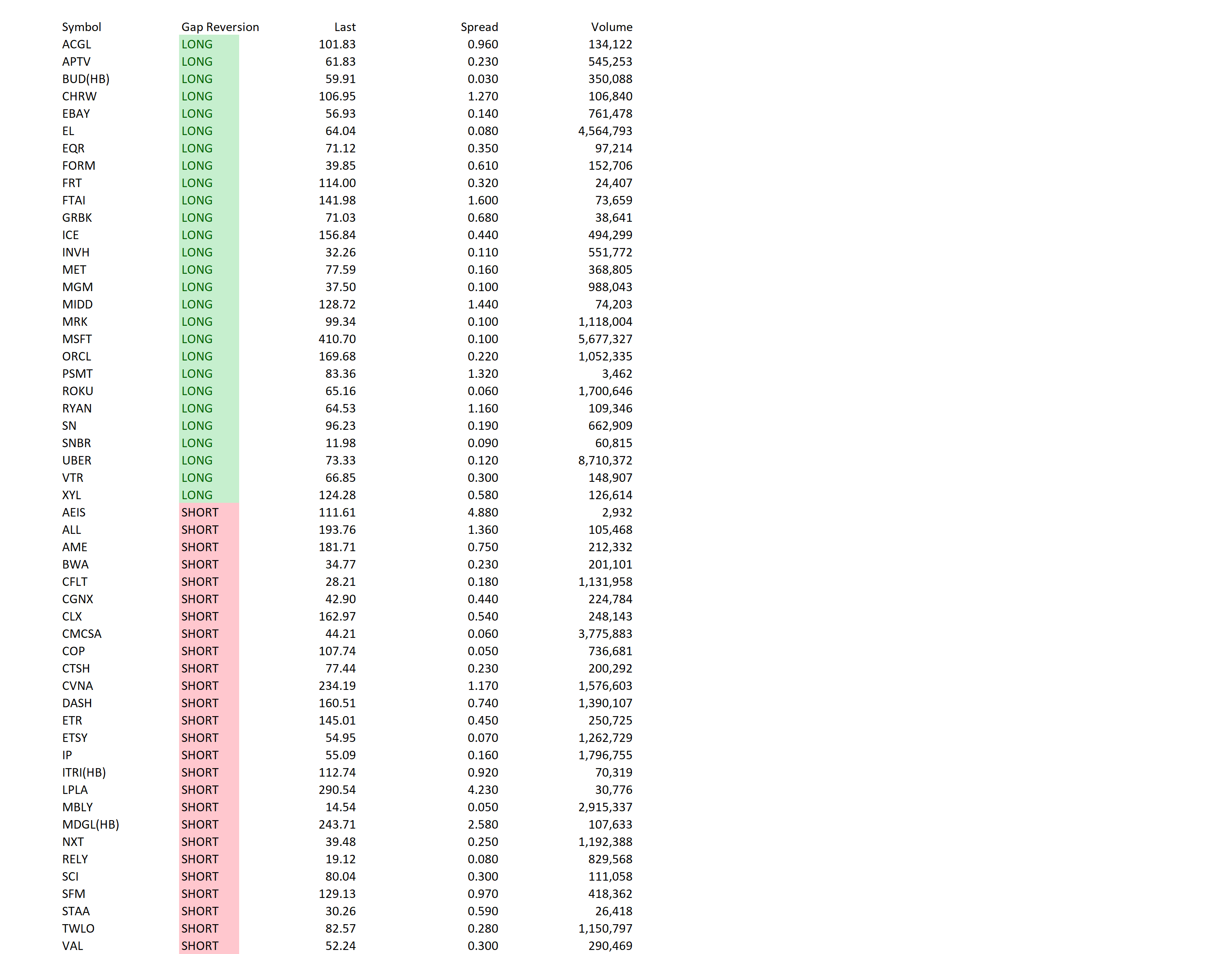
Trump vs. Harris: How the 2024 Election Could Reshape the Trading Landscape
The 2024 U.S. presidential election could have significant implications for the trading landscape, as each candidate may pursue distinct economic policies that affect market sentiment, industry regulations, and investment strategies. Here’s a breakdown of what might happen under a second Trump administration or a Harris presidency.
1. Market Sentiment and Volatility
Trump Administration:
If Donald Trump wins, market sentiment may shift towards a more pro-business environment. Historically, Trump’s policies included corporate tax cuts, deregulation, and incentives for domestic manufacturing. These elements generally contributed to stock market growth during his first term. However, Trump’s stance on China and the potential for unpredictable policy changes may increase market volatility. In particular:
- Corporate Tax Cuts: Trump might seek to reduce corporate taxes further, encouraging companies to reinvest profits domestically.
- Trade Policy: Renewed trade conflicts, especially with China, could impact global supply chains and cause fluctuations in sectors dependent on international markets, like technology and manufacturing.
- Market Reactions: Sectors like defense, manufacturing, energy, and financials could experience rallies due to favorable policies. However, tech and consumer goods with high exposure to international markets may see increased risk from potential tariffs or import restrictions.
Harris Administration:
If Kamala Harris wins, her policies may emphasize social programs, sustainable energy, and healthcare reform, which could lead to different market responses.
- Increased Regulation: A Harris administration could introduce stricter environmental regulations and oversight in energy, finance, and healthcare sectors. This approach might weigh on companies that face higher compliance costs.
- Green Initiatives: Harris might favor policies incentivizing clean energy investment, potentially benefiting the renewable energy sector while causing shifts in traditional energy stocks.
- Corporate and Wealth Taxes: Harris could also advocate for tax policies aimed at higher earners and corporations, which could impact stock buybacks and dividend payouts, leading to potential adjustments in stock valuations.
- Market Reactions: Healthcare, clean energy, and tech firms invested in sustainability may see favorable conditions, while traditional energy companies and high-revenue corporations could face new pressures.
2. Interest Rates and Inflation
Trump Administration:
During his first term, Trump has historically preferred lower interest rates, frequently criticizing the Federal Reserve for rate hikes. A pro-growth agenda favoring low interest rates could keep inflation in check but might encourage more aggressive borrowing and debt accumulation.
- Interest Rate Pressure: Trump might push the Fed to maintain lower rates to stimulate economic growth, potentially leading to cheaper borrowing costs and supporting growth-oriented stocks.
- Inflation: If economic growth surges, inflation may follow. This would affect bond yields, potentially making fixed-income investments less attractive while supporting sectors like commodities.
Harris Administration:
Kamala Harris might allow the Federal Reserve more independence in its monetary policy. With a possible focus on controlling inflation, her policies might impact rates differently:
- Inflation Control: Harris’s administration might lean towards tightening measures if inflation remains high, possibly slowing growth but stabilizing consumer prices.
- Impact on Sectors: Rate hikes could benefit financials by widening lending margins, but they could put pressure on growth-oriented tech stocks, which often rely on low-interest-rate environments.
3. Sector-Specific Impacts
Trump Administration:
- Energy: Trump’s policies are generally favorable to the fossil fuel industry, and he will likely support oil and gas stocks, particularly if his administration further loosens environmental restrictions.
- Healthcare: Trump may favor private-sector healthcare reforms and reduce regulations, benefiting insurance and pharmaceutical stocks. However, healthcare costs may remain an issue for many consumers, with potential scrutiny from Democrats in Congress.
- Technology: While Trump has been vocal against perceived bias in big tech, his deregulation stance could create a favorable environment for technology growth, albeit with risk from intensified scrutiny of data privacy and monopolistic behavior.
Harris Administration:
- Energy: Renewable energy companies would likely thrive under a Harris presidency, with increased incentives and possible federal funding for sustainable initiatives. This could pressure traditional energy stocks, potentially accelerating the shift from fossil fuels to renewables.
- Healthcare: Harris has supported healthcare reform, which could increase costs for private insurers and possibly pharmaceutical companies. The healthcare sector might face increased scrutiny to control drug prices and expand access.
- Technology: While supportive of innovation, a Harris administration may introduce or support antitrust legislation to curtail monopolistic practices in tech. Companies in tech may face increased regulatory scrutiny, particularly around privacy and competition.
4. Geopolitical Stability and Global Markets
Trump Administration:
Trump’s “America First” policies might continue to shape his approach, emphasizing U.S. interests in global markets, especially regarding China. This stance could result in protectionist measures, causing turbulence in international trade and impacting multinational corporations. However, a strong U.S. dollar might impact the global purchasing power of American companies.
- China Trade Relations: Renewed tariffs or restrictions on China could affect companies with significant supply chain exposure.
- Global Markets: Companies in emerging markets that rely on U.S. trade may experience heightened uncertainty, possibly impacting global growth.
Harris Administration:
Kamala Harris is likely to pursue a more collaborative foreign policy. This could alleviate some of the trade-related volatility seen in recent years.
- Stabilized Trade Relations: Harris might strengthen ties with traditional allies, easing concerns over tariffs and trade wars, which could benefit multinational corporations.
- Support for Developing Markets: Investment in developing economies might increase, supporting growth in emerging markets and potentially benefitting U.S. companies with global reach.
5. Investor Strategy Considerations
Investors may adjust their portfolios in anticipation of different policies:
- Trump Administration: Traders might favor energy, industrials, and financials due to expected deregulation and pro-business policies. Defensive stocks may also see increased activity due to volatility around trade relations.
- Harris Administration: Investors may lean toward renewables, healthcare, and tech sectors focused on sustainability. Growth stocks could face headwinds if interest rates rise, favoring value-oriented strategies in a potential higher-regulation environment.
Conclusion
The trading landscape’s evolution under either administration depends heavily on each president’s approach to economic, regulatory, and international policies. A Trump presidency would likely emphasize deregulation, tax cuts, and a pro-growth domestic agenda, encouraging growth-oriented and cyclical investments. Meanwhile, a Harris presidency could foster a greener, more regulated economy, with potential gains for sustainable sectors and healthcare reform-oriented stocks. As with any major political shift, the key for traders will be to stay informed, agile, and ready to pivot strategies based on policy developments and market reactions.
Good Trading,
Adrian Manz
October 30, 2024
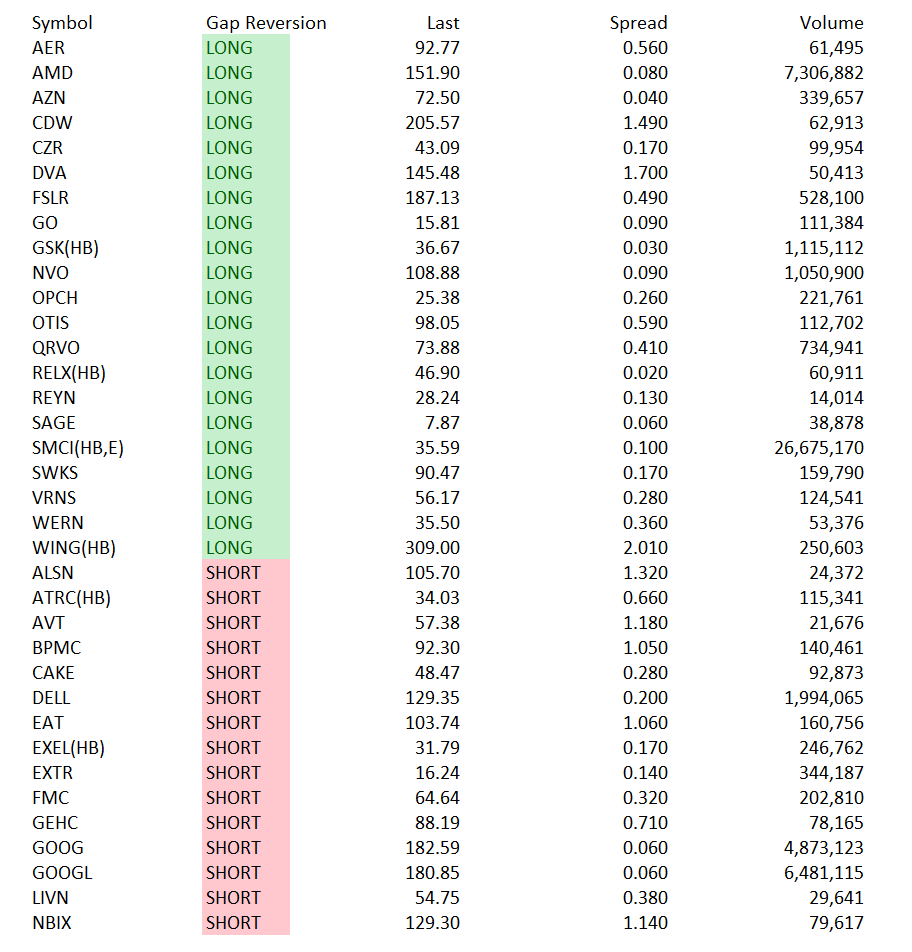
October 29, 2024